Otoplasty: Natural Shape to the Prominent Ear

January 24th, 2012

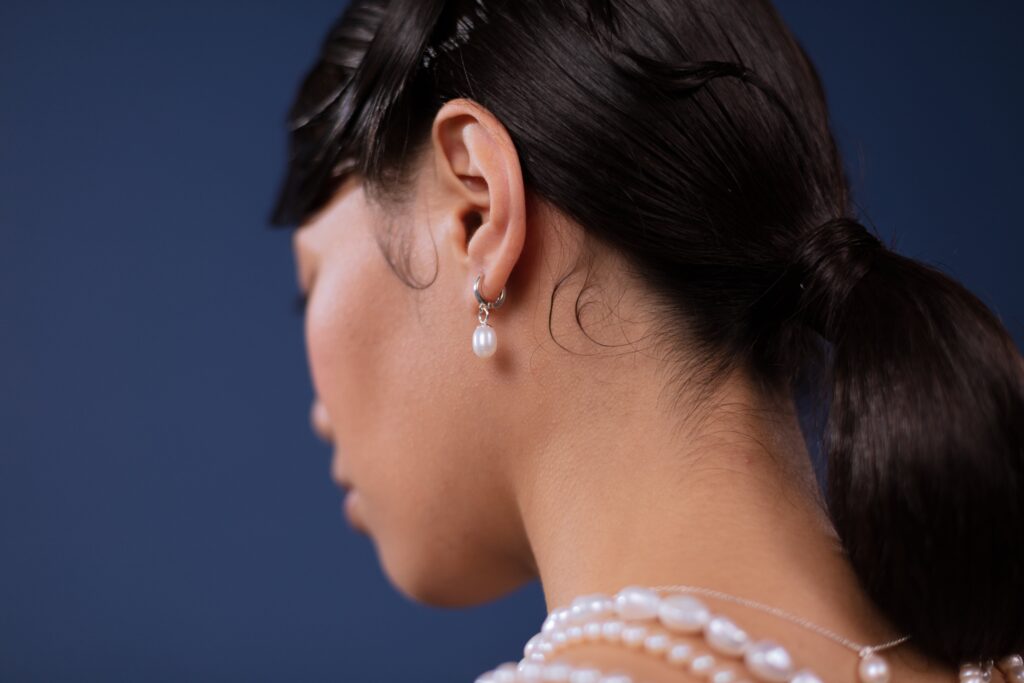
Over projecting or prominent ears are significant congenital ear deformities that are a source of teasing and social embarrassment for a young child. The prominent ear can be present at birth and can be molded at a very early age (younger than 6 weeks) with a simple soft hat or headband. After this time, the external ear develops over the first three years and after that the ear prominence can be fully evaluated. There can be multiple components to the prominent ear, including effacement of the upper fold of the ear, enlargement of the conchal bowl, or a combination of the two. Prominence can be mistaken for cupping or constriction of the ear, which may require a different operation for correction. In order to correct the prominent ear, the cause of the prominence should be identified and usually 2 out of the 4 causes should be addressed in order to give a natural and long lasting correction. The operation can be performed at earliest at the 5th year of age, in between kindergarten and the first grade, but can be performed at any point after this age. Adults seeking otoplasty or ear pinning, can have this done under local anesthesia; however children usually require general anesthesia to alleviate anxiety of the operation. The otoplasty operation usually takes under two hours and is an outpatient operation/procedure. The ear prominence is corrected through an incision in the back of the ear, which enable folding, suturing and reducing the ear prominence. The sutures are internal and usually a simple headband dressing is all that is needed. This is removed in one week and then I ask my patients to sleep in an athletic head-band for 3 weeks. School can be resumed in one week and athletics in 3 weeks after an otoplasty procedure. Scarring is usually minimal and the most common risk is partial recurrence of the prominence. An otoplasty consultation with photographs is an important component to proceeding with an otoplasty, or ear pinning, which can be done in Dr. Trussler’s pediatric or adult offices, in Dallas or Plano, Texas.


What is Buttock augmentation? Review of Techniques

January 21st, 2012

What are the different types of buttock augmentation?

Buttock augmentation is becoming a very popular procedure in the United States. There are multiple types of buttock augmentation, which increase the volume and change the shape of the buttock: buttock implants, fat grafting to the buttocks, butt lift with autologous augmentation. Depending on the amount of surrounding tissue the procedure that is right for you and your goals will be selected. Buttock implants are typically solid silicone, which come in variable sizes and shapes, which are inserted through central incisions and placed under the muscle. Fat grafting uses fat harvested from mother regions of the body and is injected above and into the gluteal muscle to provide increased volume and shape. A butt lift uses an upper buttock incision to lift the buttock, tissue that is not removed can be rotated under the lift to provide increase volume to the buttock.

Am I good candidate for a buttock augmentation?

Buttock augmentation should only be done on healthy patients without significant medical problems. Depending on the type of augmentation recommended it would fit your body. Typically the thin patient without any surrounding fatty deposits would be a candidate for buttock implants. Buttock implant selection is limited in the United States and some buttock shapes are not optimal for implants as they usually lay under the muscle and provide upper outer projection. Fat grafting or a Brazilian Butt Lift is appropriate for the patent who does not desire an implant and has good skin tone who has enough surrounding fat to support enough fat for harvest. This can always be combined with an implant to provide shape to the buttock. A butt lift is appropriate for the patient who has lost a significant amount of weight and has excess skin around the buttock. This procedure will elevate the sagging butt but can flatten the buttock if not combined with an autologous buttock augmentation, which uses the tissue which would otherwise be removed to provide projection to the buttock.

Procedure technique

In general most buttock procedures should be performed in under general anesthesia in the operating room with the patient positioned laying on the their stomach. Repositioning during these operations is common secondary for the need to harvest fat from other areas

Buttock implants: general anesthesia with the patient in the prone position. Implants are placed through 1 or 2 incisions in the upper buttock crease. They are placed under the muscle or under the muscle lining or fascia depending on the shape of implant used. Complete coverage of the implant as well as implant position and sterile technique are a must.
Brazilian Butt Lift or Fat grafting to the buttock: fat is harvested from other areas of the patient, but most commonly in the areas around the buttock to help shape and define this region. The fat is then processed and washed depending on the technique used and then re-injected through small incisions into the buttock tissues.

Butt lift can be performed as an individual procedure or as part of a body lift. It is performed through an upper buttock incision extending from hip to hip and elevates the buttock tissue. The excess tissue can be rotated under the buttock skin to increase volume in this area.


Lower eyelid reconstruction and lower eyelid blepharoplasty: Advanced Plastic Surgery

January 2nd, 2012

The lower eyelid is a complex structure composed of skin, muscle and fat. The function is to protect the eye and keep the tear film on the globe. It does not have as much mobility as the upper eyelid which does have the most movement during the blink phase, though with squinting and when something is projected towards the eye (ball, fist, tree branch) the lower eyelid and cheek do provide a significant amount of protection. The lower eyelid is likened to a clothesline with a sheet of skin and muscle draped over it. The clothesline is the lash line which is the site of lower eyelash follicles, a stiff strip of collagen called the tarsal plate and moisture glands; this is all suspended by inner and outer eyelid tendons which anchor the lower eyelid to the orbital bone.
The lower eyelid can be reconstructed for congenital defects such as clefts or colobomas, for tumors such as skin cancer, or for scar after a traumatic accident. All layers and structures of the lower eyelid should be repaired individually to maintain function and position of the lower eyelid. If the lower eyelid is maligned or there is scar formation which pulls the eyelid down or away from the globe, dryness and irritation can occur. This is referred to a lower eyelid ectropion. Ectropion can be prevented with proper positioning and support with the first operation, with stretching and scar massage after and proper positioning of the lower eyelid during the reconstruction. Supportive type procedures are called canthopexy, which is the tightening of the outer eyelid tendon, or a canthoplasty which is the tightening and reconstruction of the tendon. A canthoplasty may involve detaching it from the bone and repositioning it to a new position through a drill hole suture. These same principles are applied to the rejuvenation of the lower eyelid which should involve tightening the lower eyelid and repositioning of the lower eyelid and cheek fat (cheek lift or mid face lift), and removal of skin. This will smooth and reshape the lower eyelid giving it a younger, more youthful look. Lower eyelid surgery does have a significant amount of recovery, with at least a two to three week downtime until the eyelid swelling and bruising resolve. With any invasive lower eyelid procedure the muscle of the lower eyelid can become lax and lose muscle tone which resolves over a short period of time. Every patient desires a short recovery but for youthful correction of the lower eyelid an individual approach to each structure is necessary and each patient, cosmetic or reconstructive should have a individual operative plan derived during your eyelid consultation with Dr. Trussler.


What do I do about dark circles under the eyes? Options for treatment.

August 7th, 2011

Dark circles under the eyes are secondary to shadowing and skin color changes in this area. The shadowing is caused by a natural groove in this area called the tear trough. The tear trough is created by the deep attachment of the skin and muscle to the underlying bone. It functions to segment the movement of the lower eye muscle, but can worsen with age when the cheek fat descends or the septum holding lower eyelid fat in weakens. The skin in this area is as well thin and can have inherent dark pigment or show the dark color muscle underneath. The majority of the lower eyelid darkening is secondary to the tear trough and/or the naso-jugal groove. This can be corrected with skin hydration with an eye cream which helps moisturize and smooth the lower eyelid skin. Volumetric fillers such as hyaluronic acid gels like Juvederm® can help to fill a deep groove and level the skin in this area. This may be the first step in treating the dark circles under the eye and is usually indicated in the young woman who has had darkening throughout her life but has worsened in the late twenties or thirties. It is an in-office procedure with minimal recovery. The most frequent complication is bruising and incomplete correction. It usually requires two treatments for a complete correction of the tear trough and may require one to two syringes of filler per eye. Aftercare involves icing for two days and bruising can be covered with makeup. The downside is that fillers are not permanent and the area requires more volume than you would expect to achieve a noticeable result. Fillers in this area can last over one year and usually require half of the volume on reinjection of the areas.
Fillers should be combined with skin care to maximize the treatment of the dark eye circles. A hydrating moisturizer can be applied to the lower eye in the morning and in the evening as part of the eye care treatment for dark circles. The Neocutis® Biocream based products are easily applied and easily tolerated in this area. Surgical options for dark circles and associated a deep tear trough, include lower eyelid blepharoplasty with fat repositioning and ligament release to fill and tightening the lower eyelid. This requires a general anesthesia and a longer recovery, though the results are long lasting and likely more affordable in the long run as compared to repetitive filler treatment. It is not uncommon to perform lower eyelid blepharoplasty on the young patient for this problem. Male and female plastic surgery patients in their thirties may consider this option for the permanent treatment of lower eyelid dark circles.
A consultation with Dr. Trussler would help formulate a treatment plan for lower eyelid dark circles.


Hollywood Plastic Surgery: Quick Facts on the Quick Fix

July 6th, 2011

Stand in line at any grocery store and you will either see or be directed towards bad celebrity plastic surgery. Everyone is familiar with the “Joan Rivers Facelift” or the” Kenny Rogers Eyelid Surgery” because they are celebrity faces that are frequently exposed to the public eye and photo documented at different stages of healing. The question persists: Are celebrities prone to plastic surgery mishaps? Or do they select substandard plastic surgeons? Or is this the standard of care in plastic surgery?
In general, the over exposed and frequently photographed celebrity plastic surgery figures tend to cloud the view of the lay public and sets an example of what a patient does not want to look like. When you think that these entertainers are financially sound and can consult with the best, which may translate to the most expensive plastic surgeons in the country; why does it appear that it goes wrong so frequently in this population?

The answer is probably multi-factorial in that the best plastic surgeons are not always the most expensive, but this is lower on the list of etiologies; it is likely more commonly related to the profession and the need for an early return to the camera. On facial procedures, scars are generally hidden with makeup though swelling is not. To limit the downtime and the amount swelling smaller, “mini” type procedures are frequently done. These smaller procedures are less invasive but tend to put more stretch on the skin rather than support the lift on the deeper structures of the face. This makes the lift and tuck prone to early relapse and frequent revisions. With the longer lasting procedures they require more invasive surgery with a longer period of convalescence. In general this is not the case for facelifts in that a well done facelift that supports the repositioned facial soft tissue on the Superficial Musculo-Aponeurotic System (SMAS), the scars are inconspicuous and the recovery is about a week. Mini facelifts, short scar and endoscopic cheek or mid-face lifts all have this recovery as well. Even fat injections tend to cause a significant amount of swelling and bruising, as well as that of a liquid facelift with volumetric fillers or a vampire lift with plasma products. Direct neck excision is a perfect example of a minimally invasive procedure which is easily applied to the celebrity population because of the ease of performing it and the very limited recovery. The downside to this would be long central neck scar, which can be covered with facial hair hence only recommended for males and it does not deliver the same contour as a standard sub-SMAS neck lift.
Eyelid procedures, specifically lower eyelids are really the etiology of the “bad” facelift. Lower eyelid surgery or lower eyelid blepharoplasty can remove excess skin, fatty bags, and a downward slant or puppy dog eyes. Lower eyelid blepharoplasty has numerous approaches and the smaller procedures do have limited recovery though can cause severe deformity. Therefore one would get into problems when a small lower eyelid procedure typically causes a problem with scarring and lower eyelid drooping, and then a revision procedure is performed with the same parameters of small procedure for a quick fix. These quick fixes generally do not correct the problem, but contribute to a continuum of exponential lower eyelid malposition and deformity. During this time the celebrity is in the public eye because of the lack of preparation for repetitive surgeries and paprrazzi photos are taken and a bad eye lift makes it to the cover of US Weekly or TMZ. Really this slippery slope could be avoided with the right operation from the start with the acceptance of some recovery for the optimal result, rather than the small result with the short recovery and the multiple revisions.
How does a plastic surgeon let this happen? They succumb to the enticement of being the plastic surgeon to the stars, however more commonly it backfires to become the plastic surgeon with only one star.


Men’s Skin Care: Simple and effective daily skin regimen

June 21st, 2011

Men’s facial skin is different from that of a female in that it is more vascular and less prone to hormone induced thinning. The increased vascularity or blood flow is secondary to the dense distribution of hair follicles and it is generally thicker. As well there is not the hormone response of thinning seen with women after menopause. Men do not care for their skin as well as women. They are prone to sun damage and do not routinely maintain their skin. There is no need for make-up application and removal, which makes skin care a non-habit. Fortunately, men who shave their lower face get exfoliated routinely through shaving. This unconscious exfoliation is unfortunately followed by the routine of caring for their freshly shaven skin with the application of a skin drying alcohol based aftershave.

Multiple skin care lines directed towards the male patient exist, though the same basic skin care principles exist for both sexes: cleanser, moisturizer which is skin type specific, sunscreen and an exfoliant or retinol containing product. Male formulations maintain these principles, but the male face needs stronger concentrations to achieve active ingredient penetration because it is thicker, though in regions of the face where the hair density is greater a milder formulation may be needed because of over drying after shaving. Males will not tolerate the side-effects of active skin care like redness and peeling however these are rare because of the thickness and depth of penetration needed to cause these side-effects, therefore in combination with the regional effects of shaving, a simple yet moderate strength therapy regimen is recommended.

Male skin care products are centered around shaving and physical activity. They usually are mildly fragranced or unfragranced. Phytomer has a male skin care line for both face and body. The body line is mildly fragranced and has an exfoliating body wash and moisturizer. The facial line has a daily detoxifying cleanser, and an every other day oxygenating exfoliant. The Rasage Perfect shaving mask is thin for close razor to skin interaction and a clean shave. There is an alcohol free soothing aftershave as well as a Hydra-matifying moisturizer with a higher talc component to absorb oil. This male skin care regimen is active and simple with known ingredients that work.
Male skin resurfacing usually requires a strong pretreatment in order to de-keratinize and condition the skin. Men do have a higher ratio of skin cancer and actinic damage, therefore pretreatment can help plane and smooth any precancerous lesions. Serial lower concentration TCA are more common than full strength TCA secondary to a shorter recovery, but the majority of male skin will tolerate a medium depth peel and a repeat treatment in 6 weeks.
In general, men do want to preserve their skin quality and a recommended simple skin care regimen combined with a daily sunscreen can improve skin quality. Male patients will typically consider skin resurfacing in the form of medium depth chemical peels and even neuro-modulators such as Botox. These in-office procedures can be performed easily with little to no downtime. The male facelift is a reliable and predictable operation, and in combination with these aforementioned procedures can take years off a man’s face.

The most difficult aspect of male skin care is a consultation with a physician, but once the discussion is initiated in a plastic surgeons office they can be very compliant with a simple plan. Men can consult in my Dallas or Frisco office for a skin care and facial rejuvenation consultation.


New laser hair removal: Fast and easy

June 19th, 2011

Laser hair removal or selective photothermolysis has just been revolutionized with the LightSheer Duet platform by Lumenis, Ltd. The system has two hand-pieces for different areas: one that is smaller with a cooling shield and a larger one that actually has a vacuum-assist. Both the cooling shield and the vacuum make the laser very comfortable, however the larger spot size makes it faster to cover larger areas with only one pass and with less energy. This larger spot size covers more area which is ideal for the back and legs. The type of laser, the 800nm diode, is not new to laser hair removal and targets melanin which is pigment in the hair bulb. The hair follicle target spares the skin and the fact that the vacuum sucks the skin into the laser it makes it more effective and less injurious to the skin. Historically laser hair reduction treatment has required multiple treatments which after the first few long painful procedures it makes it intolerable for the needed repetitive treatments. The LightSheer has made these repetitive treatments short and painless which keeps patients wanting to complete their laser hair reduction. All areas can be treated with comfort and effectiveness. This is performed by my aesthetician and requires no downtime. Treatments can be spread out over a 4 to 6 week period and approximately 4 to 8 treatments may be required. Darker skin tones should always be careful with laser treatments. Please contact my office or through www.drtrussler.com, either in Dallas or Frisco to make an appointment for laser hair treatments or any other laser treatments needed.


Long Lasting Injectables: Bio-stimulators vs. Fat injections

May 15th, 2011

Injectable materials have been around for years, but recently hyaluronic acid gels like Juvederm have taken the place of collagen and silicone. Fat injections also have been around for years, but in the advent of the discovery of stem cells contained in fat, the technology in fat harvest and injection has advanced. The downsides to synthetic volume fillers like Juvederm are that they are not permanent and expensive, though they are very reliable, safe and reversible. Fat injections can be permanent but involve a donor site from which the fat is harvested and the fat take can be unreliable. Fat has been the topic of interest because of its high concentration of stem cells which have been controversial though beneficial in multiple areas of medicine. Stem cells are primitive cells that can differentiate into any type of tissue, though the problem lies in directing them to correctly differentiate. The fat cells can be injected into areas and act as a permanent, soft tissue filler. They have been applied in the face and lips with catchy terms as the “vampire facelift”, though more recently applied to the breast (natural breast augmentation) and buttock (brazilian butt lift). In all areas, the fat is somewhat unpredictable with a 50 to 70 percent take of the fat injections. In larger areas like the buttocks it is not noticeable though in smaller areas like the lips, it can cause noticeable asymmetries.

Sculptra® or poly-L-lactic acid is a synthetic injectable which stimulates collagen growth under the skin which results in a gradual and natural volume increase in the areas of injection. It can be injected in the face for deep lines and wrinkles as well to improve the shape of the face. Other areas of injection can be in the backs of the hands to improve the volume in this area. The component of Sculptra® is the poly-L-lactic acid which is biocompatible and biodegradable material which acts as a scaffold for which collagen is built up on. The injection technique is different from other volume fillers as Sculptra® is diluted in about 9 cc of sterile water and is distributed in a more liquid phase than gel fillers. The advantage of it is it can cover a large area, as well gel fillers can be layered on top of the areas of injection for complete correction of fine lines. Sculptra® usually requires up to 3 sessions of injections spaced 6 to 12 weeks apart, however once complete the result is lasting and even overlying skin quality improves.

Sculptra® does not take the place of a facial rejuvenation surgery and should not be injected in the lips, though it can improve the appearance of a patient not ready for surgery or in areas where surgery does not correct the volume loss associated with aging, such as around the eyes and mouth.

This should be considered in any consultation with Dr. Trussler and can be discussed as a valid option for facial rejuvenation.


When a tummy tuck just doesn’t cut it: Options for buttock and outer thigh contouring.

May 14th, 2011

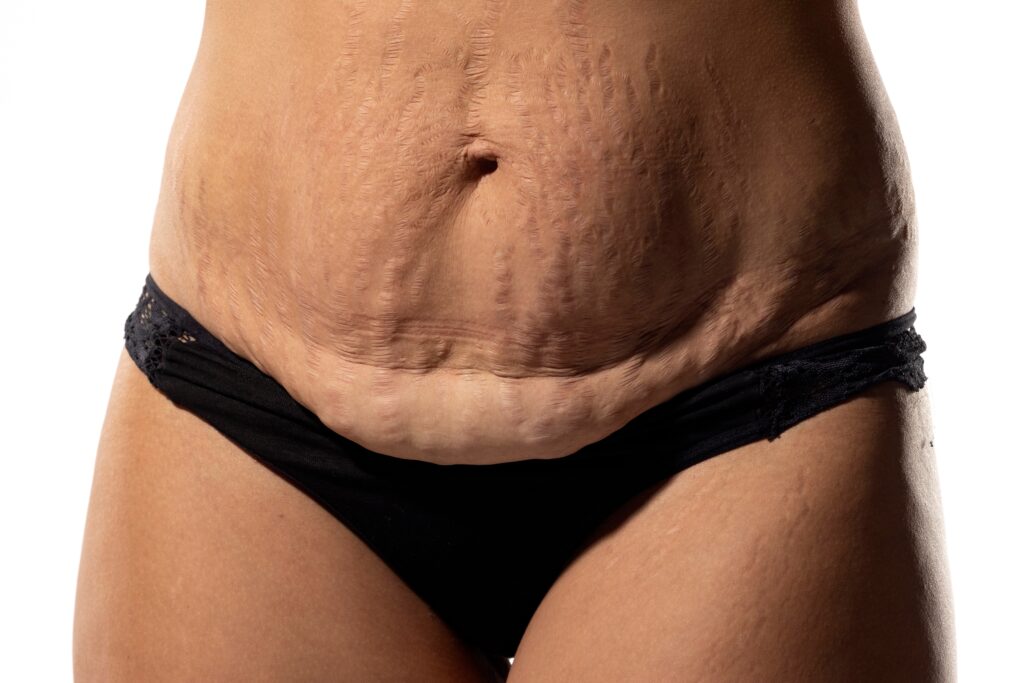
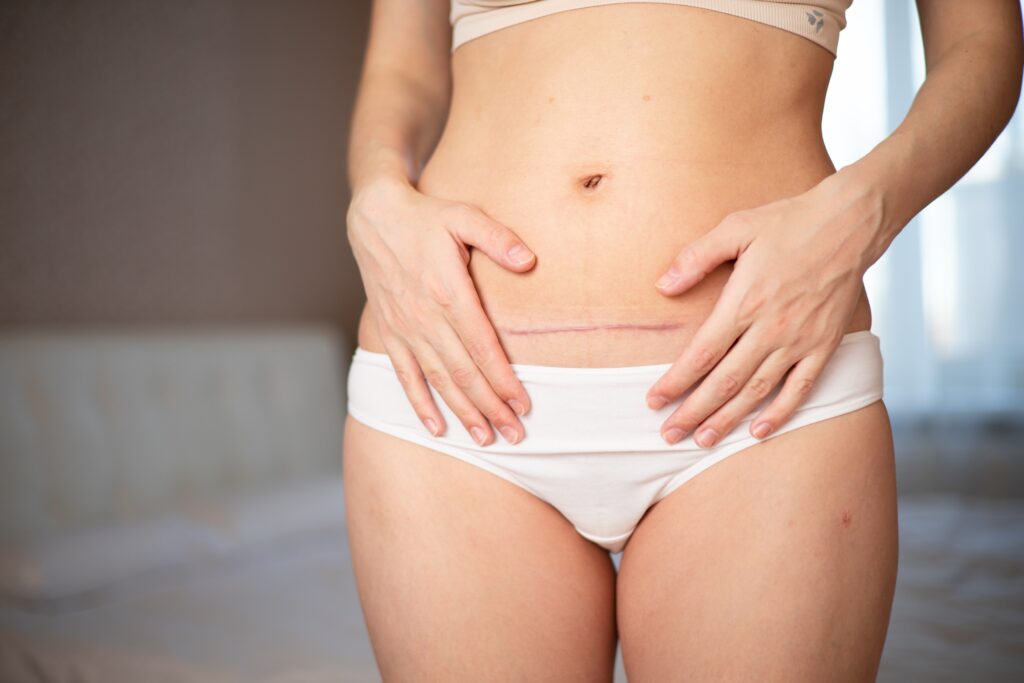
The abdomen, hips and buttock are all affected by weight loss and the effects of pregnancy. The skin of these areas is designed to stretch to accommodate this extra volume, though if stretched to far permanent damage is incurred which can be visible in the form of stretch marks. These stretch marks are commonly located in only the lower abdomen in the multiparous women and in the woman who carries twins or greater, though through significant weight gain in pregnancy and more commonly in the patient who has lost significant amounts of weight after weight-loss or bariatric surgery, these areas of permanent skin damage can involve the outer and inner thighs and buttocks. A tummy tuck or abdominoplasty only addresses the abdominal skin excess and commonly only in the vertical direction, in that it pulls the skin down more than it tightens in the horizontal plane. Abdominoplasty is indicated in the majority of patients though if applied to the patient with excess outer thigh and buttock skin laxity an unsatisfactory result can be delivered. This result can be corrected with an adjunctive procedure such as an outer thigh lift or lateral thigh plasty and /or conversion to a circumferential body lift, though these patients should be identified before any procedure is performed and offered an extended abdominoplasty procedure. These extended procedures can take the form of a circumferential body lift for the patient with outer thigh excess, as well as buttock ptosis or a saggy backside, as well a fleur de lis abdominoplasty can be performed on the patient with mainly central abdominal skin excess both in the up and down direction and in the side to side direction. This can be identified through an above the belly button pinch test where if skin folds and excess outer abdominal skin is present, it will likely be unaddressed with just a standard adominoplasty. This horizontal skin excess is accentuated with central muscle tightening or midline fascial plication which brings extra skin into the central abdomen with this repair of the widened abdominal muscles (diastasis recti). The options for this central abdominal skin excess include a central excision at the time of an abdominoplasty or a fleur de lis abdominoplasty which is a very powerful and one stage procedure which contours the abdomen and waistline though leaves a central abdominal scar in combination with a lower abdominal scar, or a staged central abdominal skin excision can be performed. This is suitable for the patient with a pre-existing abdominal scar or a patient who is accepting of the central abdominal scar in place of the excess abdominal skin. If a patient has excess central upper abdominal skin which is not amenable to a standard abdominoplasty and who is not accepting of the central abdominal scar, then a staged outer abdominal skin removal or flank excision (silhouette lift) can be performed which contours the outer abdominal silhouette though leaves the patient with a scar along the outer abdomen. Both the fleur de lis or staged flank excision or silhouette lift can deliver very stunning changes to the abdominal contour. The main downside to both procedures include new scar placement on the abdomen and a more extensive and/or staged procedure, though the benefit can include a one staged procedure which can provide the result customized to each individual patients requests and needs. Scare care is provided by Dr. Trussler to help decrease the visibility of the scars and through proper care after the surgery and long term scar management these scars can be rendered imperceptible.

Extended abdominal procedures, including circumferential body lifts and central and outer abdominal contouring procedures are individual decisions and the recommended combinations should be discussed during the pre-operative evaluation. Each patient will leave the initial consultation with the reassurance that they will be able to achieve an improved abdominal figure and defined waistline.


Plastic Surgery in Men: Approaching the Male Face

February 2nd, 2011

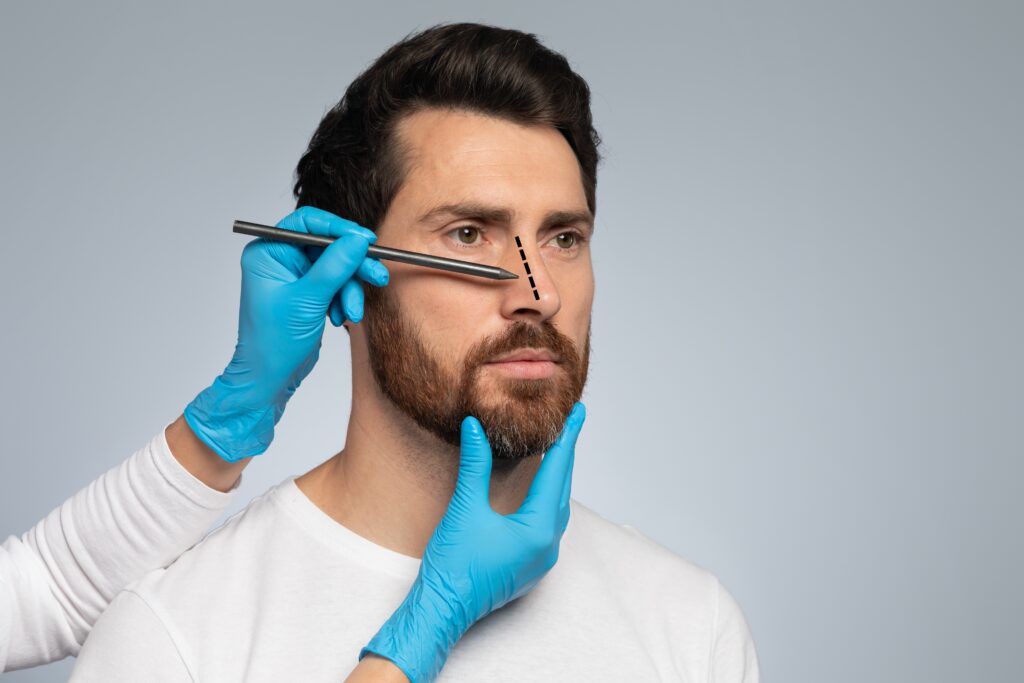
The male patient seeking facial rejuvenation is less common and the goals differ to that of the female patient. In general, men request lines in the forehead to be smoothed, excess upper eyelid skin to be removed and bagginess in lower eyelids to be decreased; as well they request their necks to be tightened. This is usually confounded with the request for limited surgical procedures and limited downtime. Forehead lines in men can be treated with Botox®, without the need for a formal brow lift which may feminize the brow and elevate the hairline. Botox® in men usually requires a higher dose secondary to increased muscle mass in the male forehead. Excess upper eyelid skin can be removed with a simple skin-only upper eyelid blepharoplasty which can be performed under local anesthesia or in combination with other surgical procedures. Lower eyelid procedures are the most invasive and complicated component to the male face, and are either the only single primary procedure requested, or secondary to the main complaint which is usually the neck. A lower eyelid procedure or lower eyelid blepharoplasty is performed via a fine incision under the lower eyelid lash-line, which is utilized for removing bagginess, and tightening and elevating the lower eyelid. The convalescence for this type of procedure may exceed 3 weeks. The male neck, unlike that of a female can be treated with either a direct excision of the excess skin or a neck lift. The direct excision procedure can be performed under local anesthetic and requires a longer scar in the central neck which heals well. This treats the central neck skin, though does not contour the jawline significantly. For treatment of the jawline and the central neck, a neck lift can be performed in the operating room via a small chin incision and incisions around the ears. This tightens the neck, removes skin and fat and contours the jawline. The operation takes approximately three hours and requires an overnight stay for monitoring, though the convalescence can be shorter than one week. Smile lines and cheeks, as well can be addressed through limited direct excisions, rather than fillers, or a more invasive cheek lift. All of these procedures can be combined in the male patient seeking a younger face, with each component individually discussed and packaged in a surgical procedure which delivers a natural looking, rejuvenated, masculine face.